Taliban
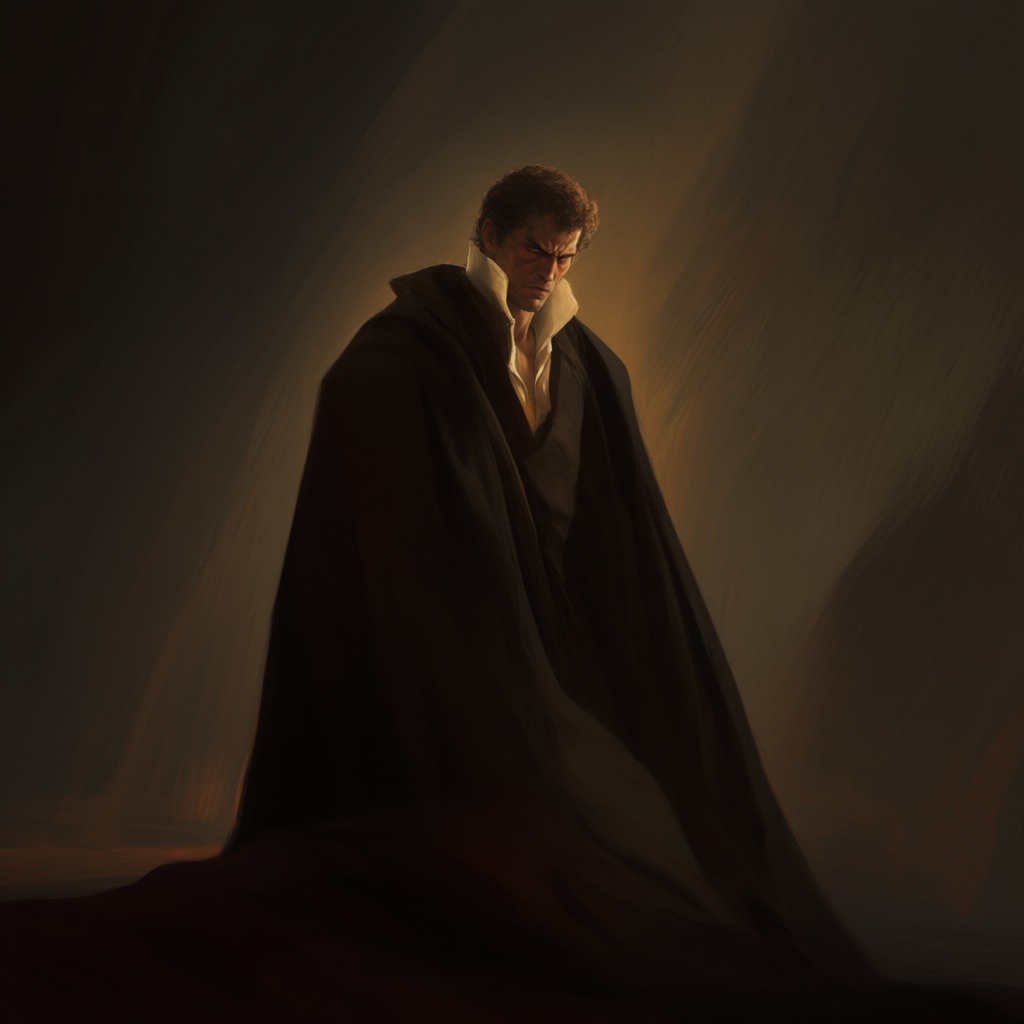
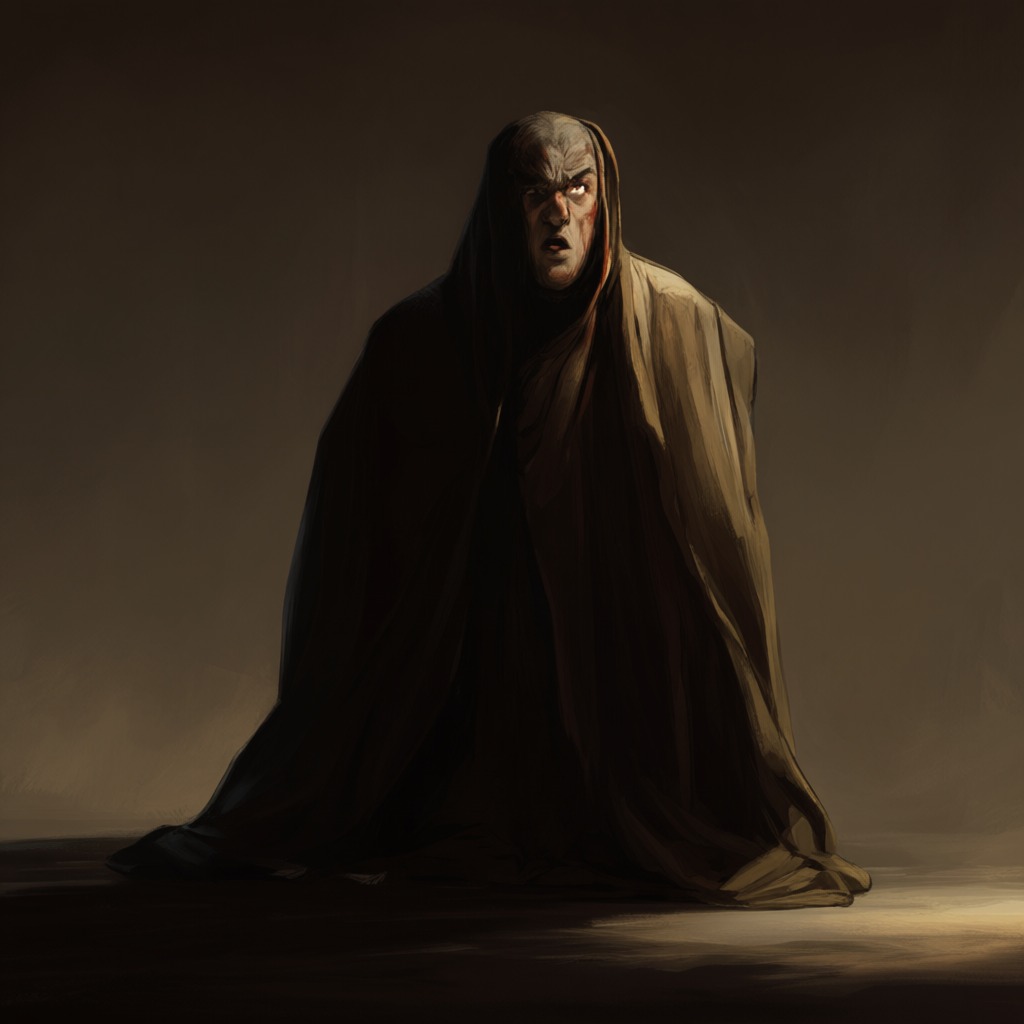
The Taliban is the Islamist fundamentalist organization that seized control of Kabul in September 1996 and imposed a draconian regime of religious law, violently restricting women's rights, banning education and employment for girls and women, and enforcing brutal public punishments. Their rule represents the culmination of decades of war and the most extreme form of patriarchal oppression in the novel, directly shaping the lives of Mariam and Laila.
Origins and Rise to Power
The Taliban emerged as a guerrilla force in the early 1990s, composed of young Pashtun men who had been raised in refugee camps along the Pakistani border during the war against the Soviets. Many had been educated in Pakistani madrasas, where they were schooled in Shari'a by mullahs. Their leader was the mysterious, illiterate, one-eyed recluse Mullah Omar, who called himself Ameer-ul-Mumineen, Leader of the Faithful. Rasheed, who initially supported them, described them as "pure and incorruptible" and "decent Muslim boys" who would "clean up this place" and "bring peace and order." In October 1994, they overthrew the warlords in Kandahar and took the city. Over the next two years, they captured cities from the Mujahideen, ending factional war wherever they settled. They captured and executed the Hazara commander Abdul Ali Mazari. For months, they settled in the southern outskirts of Kabul, firing on the city and exchanging rockets with Ahmad Shah Massoud. In September 1996, they captured Jalalabad and Sarobi. On September 27, 1996, Mariam awoke to the sounds of shouting, whistling, firecrackers, and music. Laila turned and smiled, saying, "The Taliban are here." Massoud and Rabbani had withdrawn from Kabul. The Taliban had one thing the Mujahideen did not: they were united.
Ideology and Laws
The Taliban immediately imposed a strict interpretation of Shari'a. The day after their takeover, Kabul was overrun by red Toyota trucks with armed, bearded men in black turbans. Loudspeakers blared announcements, and flyers were tossed into the streets. The laws included: all citizens must pray five times a day; all men must grow beards at least one clenched fist beneath the chin; all boys must wear turbans; singing, dancing, playing cards, chess, gambling, and kite flying were forbidden; writing books, watching films, and painting pictures were forbidden; keeping parakeets was punishable by beating and the birds would be killed; stealing was punishable by amputation of the hand, then the foot. For women, the laws were even more severe: they must stay inside their homes at all times and could only go outside accompanied by a mahram, a male relative; if caught alone on the street, they would be beaten and sent home; they must cover with a burqa when outside; cosmetics, jewelry, and charming clothes were forbidden; they were not to speak unless spoken to, not to make eye contact with men, and not to laugh in public; painting nails was punishable by losing a finger; girls were forbidden from attending school, and all schools for girls were closed immediately; women were forbidden from working; adultery was punishable by stoning to death. Rasheed turned off the radio after the announcement and said, "They can't make half the population stay home and do nothing." Laila protested, but Rasheed argued that in many places in Afghanistan, women had always lived this way. He pointed to the public execution of Najibullah as evidence of their seriousness.
Enforcement and Brutality
The Taliban enforced their laws with systematic violence. Men wielding pickaxes smashed pre-Islamic statues at the Kabul Museum. The university was shut down. Paintings were ripped from walls and shredded. Television screens were kicked in. Books, except the Koran, were burned in heaps. The Beard Patrol roamed the streets in Toyota trucks, looking for clean-shaven faces to bloody. Cinemas were shut down and their projection rooms ransacked. Kharabat, Kabul's ancient music ghetto, was silenced; musicians were beaten and imprisoned. The Taliban even went to the grave of the singer Ahmad Zahir and fired bullets into it. Every Wednesday night, the Voice of Shari'a announced the names of those scheduled for punishment. On Fridays, Rasheed went to Ghazi Stadium, bought a Pepsi, and watched the spectacle of severed hands, lashings, hangings, and beheadings. The Taliban also banned television, but Rasheed noted that "just because things were banned didn't mean you couldn't find them." He bought a television and VCR on the black market, and they had to dig a hole in the yard to bury it during raids. The Taliban's raids were sometimes monthly, sometimes weekly, and often daily. They confiscated goods, gave kicks, and administered public beatings. The Taliban also enforced strict gender segregation in hospitals. When Laila went into labor, the guard at Malalai Hospital barked, "This hospital no longer treats women." They were sent to Rabia Balkhi Hospital, which had no clean water, no oxygen, no medications, no electricity, and no anesthetic. The doctor there had to operate without anesthesia, with a nurse keeping watch for Taliban inspectors.
Impact on the Characters
The Taliban's rule directly shaped the lives of Mariam and Laila. Laila was forced to stay inside, and her life became a cycle of sweeping, scrubbing, and washing clothes. She was beaten by the Taliban when she tried to visit Aziza at the orphanage. One day, a young Talib beat her with a radio antenna and said, "I see you again, I'll beat you until your mother's milk leaks out of your bones." She took to wearing extra layers for padding against the beatings. The Taliban's laws also made it impossible for Laila to leave the house without a male relative, which Rasheed used to control her. The Taliban's prohibition on girls' education forced Aziza to be sent to the orphanage, where Zaman secretly taught the children reading, writing, geography, history, and science, but they had to pull the curtains and pretend to knit if the Taliban came for inspection. The Taliban's rule also created the conditions for Mariam's final act. After she killed Rasheed to save Laila, she was tried by a Taliban court. The trial lasted less than fifteen minutes. There was no legal counsel, no public hearing, no cross-examining of evidence, no appeals. The middle judge, a dying man with a tremor, said he was troubled by the brutality of her action and that Shari'a was not vague on the matter: he must send her where he would soon join her himself. Mariam was executed by a firing squad at Ghazi Stadium. The Taliban's rule also led to the destruction of the Bamiyan Buddhas, which the Taliban planted with TNT and blew apart, calling them objects of idolatry and sin. Laila was numb to the news, thinking, "How could she care about statues when her own life was crumbling dust?"
Downfall and Legacy
The Taliban's rule ended after the September 11, 2001 attacks. The Americans armed the warlords once more and enlisted the help of the Northern Alliance to drive out the Taliban. The coalition forces drove the Taliban out of every major city, pushing them across the border to Pakistan and to the mountains in the south and east of Afghanistan. An international peacekeeping force, ISAF, was sent to Kabul. The country had an interim president, Hamid Karzai. However, the Taliban's legacy of violence and oppression lingered. Laila was "slayed" that the warlords had been allowed back to Kabul, that her parents' murderers lived in posh homes with walled gardens, and that they rode with impunity in shiny, bulletproof SUVs through neighborhoods they had demolished. But Laila decided she would not be crippled by resentment, knowing that Mariam would not want it that way. She moved on, because in the end she knew that's all she could do: "That and hope."